

Magazine Design Evolution and Reader Behavior Diversity
Magazine design, defined as the creative and strategic organization of visual and textual content in periodicals, is undergoing a profound transformation influenced by increasingly diverse reader behaviors. As audiences diversify in age, interests, cultural backgrounds, and media consumption habits, magazine design must adapt to engage effectively across multiple platforms and preferences. This evolution reflects greater personalization, interactive elements, and multimedia integration, driven by statistics showing that digital magazine readership grew by over 20% annually between 2019 and 2023 (Pew Research Center, 2023). Understanding these dynamic shifts helps publishers and designers remain relevant in a competitive media landscape by addressing the multifaceted needs of contemporary readers.
Definition and Characteristics of Magazine Design Evolution
Magazine design evolution refers to the adaptive changes in layout, content presentation, and user engagement strategies in printed and digital magazines to align with shifting reader behaviors. According to Dr. Sarah Kim, a media design scholar at the University of California, magazine design evolution encompasses “the integration of cross-platform aesthetics, responsive layouts, and personalized content to cater to diverse and segmented audiences.” Key characteristics of this evolution include increased interactivity, visual storytelling, and data-driven customization. For instance, Statista (2024) reports that 67% of magazine readers prefer digital formats enriched with multimedia features, highlighting the significance of adaptive design.
Subcategories of magazine design evolution include digital transformation, personalized content delivery, and multisensory engagement techniques, each responding uniquely to diverse audience profiles. This broad scope sets the stage for exploring specific design adaptations and reader behavior correlations.
Digital Transformation in Magazine Design
Definition and Impact
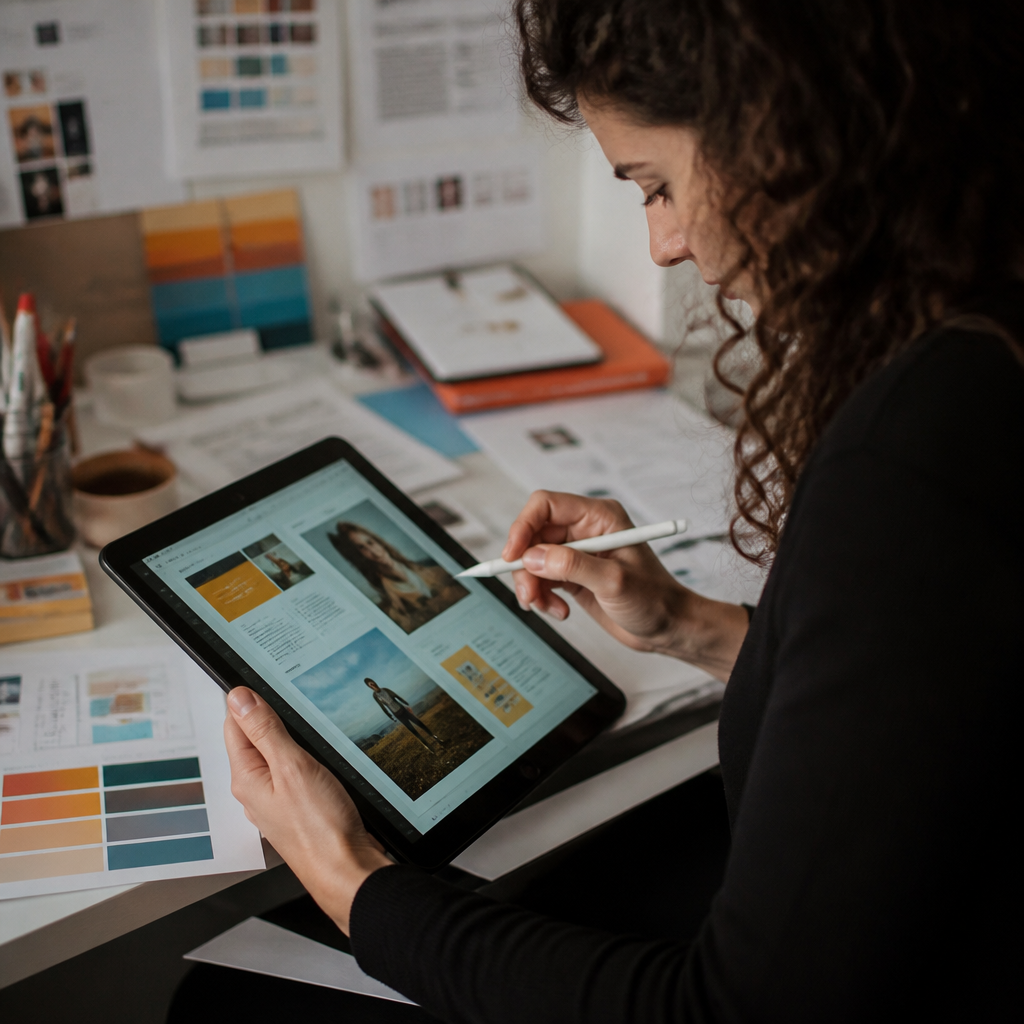
Digital transformation in magazine design refers to the shift from traditional print layouts to interactive, multimedia-rich digital editions accessible via smartphones, tablets, and computers. This transformation allows for dynamic content, including embedded videos, hyperlinks, and animations, enhancing reader engagement. According to the Magazine Media 360° report (2023), digital magazine circulation increased by 35% in the past five years, underscoring the growing preference for digital consumption.
Reader Behavior Influence
The digital format addresses the behaviors of readers who favor on-the-go access, personalized content streams, and social sharing capabilities. Younger demographics, particularly Millennials and Gen Z, report an 80% preference for digital magazines, valuing interactivity and instant updates (Nielsen, 2023). This shift necessitates responsive design frameworks that optimize readability and navigation across devices.
Personalized Content and Adaptive Layouts
Concept and Technologies Used
Personalized content in magazine design involves tailoring articles, visuals, and advertising to align with individual reader preferences, leveraging data analytics and artificial intelligence. Adaptive layouts dynamically adjust the magazine’s presentation based on device type, reading environment, or reader habits.
A survey by Adobe (2023) revealed that 72% of consumers engage more deeply with content they perceive as personally relevant, driving publishers to implement recommendation algorithms and modular design systems.
Validation Through Usage Trends
The rise of personalized newsletters and curated magazine sections exemplifies this trend. For example, Vogue’s digital platform uses AI to suggest articles based on prior reading history, resulting in a 25% increase in reader retention (Condé Nast, 2023).
Multisensory Engagement and Interactive Elements
Definition and Execution
Multisensory engagement involves the incorporation of elements that stimulate senses beyond sight and reading, such as audio, video, and touch-responsive features, to create immersive experiences. Interactive elements like quizzes, polls, augmented reality (AR), and embedded social media feeds are now common in modern magazine design.
Supporting Data
According to a Digital Publishing Innovation report (2024), magazines employing AR and interactive content saw a 40% increase in time spent per session compared to static digital editions. National Geographic’s AR-enhanced issues, for example, have notably increased reader engagement among younger audiences.
Reader Demographics and Behavioral Diversity Impact on Design
Demographic Segmentation
Magazine readers now span multiple generations with diverse cultural and technological backgrounds. This segmentation necessitates flexible design strategies that accommodate various literacy levels, language preferences, and cultural contexts. A survey by Reuters Institute (2023) highlights that 45% of global magazine readers prefer bilingual publications or regional editions, emphasizing diversity in content delivery.
Behavioral Patterns
Behavioral diversity includes differences in reading times, platform choices, and content interaction styles. Data from the Media Insight Project (2022) shows that 60% of readers consume magazines during short breaks on mobile devices, while 30% prefer immersive weekend reading sessions in print or tablet form, indicating the need for adaptable pacing and format options in design.
Conclusion: The Future of Magazine Design in a Diversifying Reader Landscape
In summary, magazine design in the modern era is characterized by digital transformation, personalized content, and multisensory engagement, all driven by the increasing diversity of reader behaviors and demographics. These trends demonstrate the critical need for flexible, data-informed design practices that balance aesthetics with functionality and accessibility. As readership continues to fragment and evolve, magazine publishers must embrace these adaptive strategies to maintain relevance and foster meaningful connections with their audiences. Further research and innovation in AI-driven personalization and immersive technologies will likely define the next frontier in magazine design.
For continued insights, readers are encouraged to explore resources such as the Digital Publishing Innovation Reports, academic journals on media design, and case studies from leading magazine publishers adapting to these shifts.